

RED 2026 - Chapter 1: A new horizon of opportunities for rural areas
Resumo
The economic development of Latin America and the Caribbean (LAC) is deeply intertwined with the trajectory of its rural areas. These areas are home to strategic resources for the region, such as food production, energy, biodiversity, forests, and various critical minerals. They are also home to nearly 120 million people and approximately 18 million agricultural and livestock production units, underscoring their importance for food security, the energy transition, and sustainable development. At the same time, these areas face persistent social, economic, and environmental challenges. Poverty, informality, and gaps in access to basic services and infrastructure combine with relatively low levels of productivity, limiting the ability to transform the wealth of their resources into greater opportunities for their inhabitants. This chapter presents a conceptualization of rurality in LAC and analyzes its transformation over the past decades. On this basis, it highlights the main productive challenges and opportunities faced in a context of profound transformations.
Assunto
País / Región
Data
2026-04-13Cite esta publicação
Item que pertence à coleção
Items Relacionados
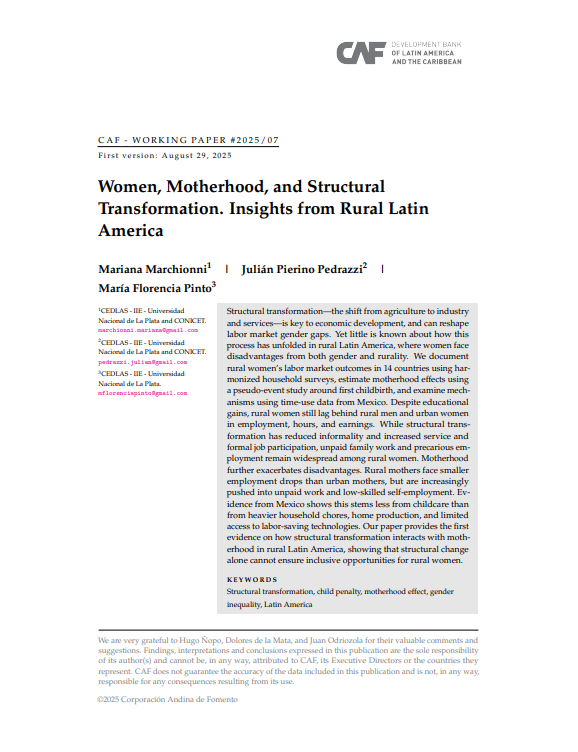
Women, Motherhood, and Structural Transformation. Insights from Rural Latin America
Structural transformation—the shift from agriculture to industry and services—is key to economic development and can reshape labor market gender gaps. ...
RED 2026 - Chapter 7: Employment, income, and vulnerability in rural areas
Rural areas in Latin America and the Caribbean face deep-seated inequalities. Although rural poverty has declined significantly over the past two decades, ...
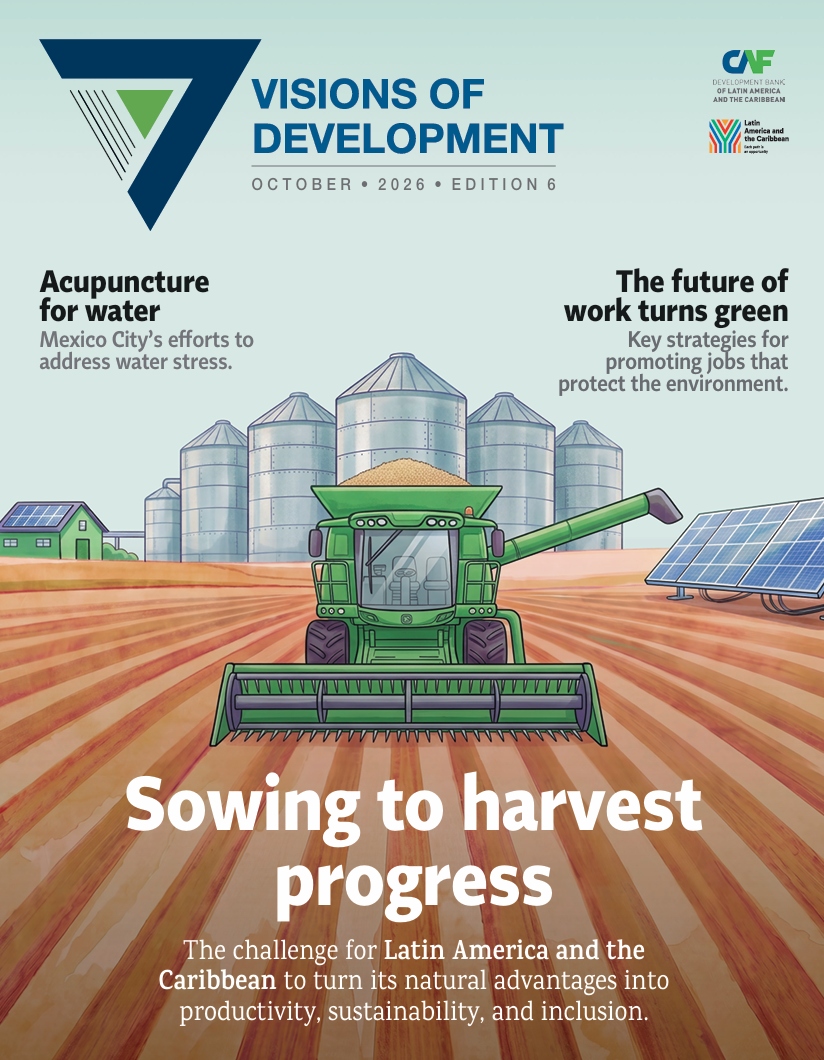
N°6 Visions of Development. Sowing to harvest
Latin America and the Caribbean is the most urbanized region in the world, the result of decades of migration from rural areas to cities driven by ...